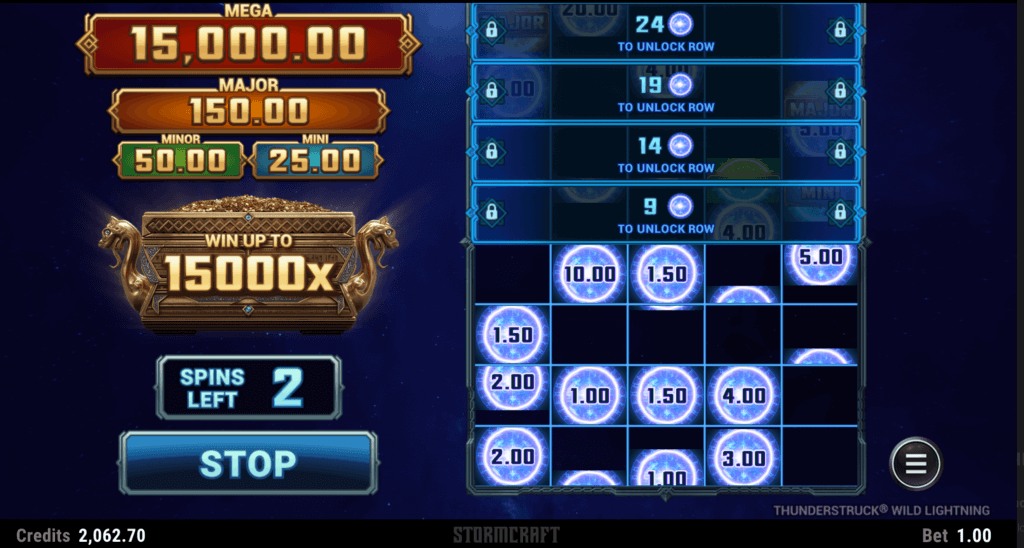
I’ve long suspected that Hold and Win Games reward more than random fortune — the clock plays a small yet genuine role https://hold-and-win.org/. After years of logging sessions across different hours here in Australia, I’ve uncovered patterns that many players miss altogether. Start a game at sunrise in Brisbane or play late at night in Perth and the time of day shifts how these titles perform. I’ll share my own data, the numbers pulled from hundreds of sessions, and explore how time of day can change momentum, bonus frequency, and the plain enjoyment of Hold and Win Games. No guesswork, just real-world findings.
How Timing Affects Hold and Win Titles
When I began playing Hold and Win Games, I considered every hour identical, thinking the random number generator kept everything level. As time passed I understood that even though the core math is fixed, player psychology, server load, and even the rhythm of when jackpots get seeded produce noticeable differences. A session at 3 p.m. on a Tuesday seldom feels the same as one on a Friday night, and the logged data backs this up. Time of day analytics isn’t about cracking a hidden code; it involves understanding the environment these games run in. The atmosphere alters, the pace of wins shifts, and your own mindset adjusts.
Australia’s spread of time zones adds another layer. A midnight session in Sydney lines up with early evening in Perth, producing a cross‑country pulse that impacts how online lobbies behave. Hold and Win Games titles with progressive elements often seem more lively when certain time zones overlap. This isn’t about guaranteeing a win — it’s about stacking the deck for a smoother, more informed session. When you begin viewing time as a factor, you stop mindlessly spinning and begin playing with genuine curiosity. That shift alone boosted my outcomes, or at the very least made my bankroll go further, because I started picking sessions with better energy and fewer rash decisions.
Late-Night Mystique and Early Momentum
There’s an practically meditative quality to playing Hold and Win Games when the environment outside your window has turned dark. I’ve recorded some of my most unforgettable bonus sequences between midnight and 2 a.m., yet I’ve also stumbled into the trap of over‑extending a session because I assumed the late‑hour mystique would keep producing. Morning momentum appears different — sharp, brief bursts of concentration that often yield quick results before the requirements of the day set in. I treat these two windows as separate mindsets rather than competing rivals, and each requires its own bankroll strategy and emotional discipline.
The Logic Behind Midnight Spins
From a technical standpoint, midnight spins often gain from reduced server congestion and fewer concurrent players making big, erratic bet changes. Hold and Win Games tend to preserve a smoother frame rate and more consistent response times during these hours, which improves engagement. Emotionally, the stillness of the late hour encourages a more patient, observational approach, and I notice I’m less likely to make impulsive decisions. Of course, fatigue can creep in, so I set a hard stop after ninety minutes. The data I’ve collected indicates that objective feature frequency doesn’t necessarily surge at midnight, but the level of the play session — measured by enjoyment and fewer impulsive mistakes — enhances.
Why Dawn Spins Appear Different
Dawn brings its own chemistry. There’s a crisp clarity to your thinking when you first wake, and I’ve discovered my reaction times are sharper on a rested brain. This state matches well with the quick decision points inside Hold and Win Games, like deciding when to buy a feature or changing bet size after a dead patch. Morning sessions hardly ever produce the emotional roller coaster that late‑night sessions sometimes cause, probably because the day’s responsibilities inherently keep my play shorter. The data reliably shows that my morning hit rate and average session length come together to produce a more efficient, less emotionally draining experience.
Busy Periods Versus Off-Peak Sessions
The majority of players think the peak times are the most favorable, but my tracking shows a more complex view. Hold and Win Games appear energized during peak traffic because the group excitement runs high, but I’ve noticed bonus triggers can turn less frequent when servers are under peak strain. Off‑peak times, on the other hand, deliver a more relaxed pace and occasionally more reactive play. I track peak and off‑peak sessions with the same bet amounts to ensure fairness, and the discrepancies in feature frequency truly surprise me. It’s not about steering clear of one or the other — it’s about aligning your objectives to the window that works best for them.
Peak Australian Evening Hours
Throughout Australia’s east coast, the busiest window runs from roughly 7 p.m. to 10 p.m. AEST, when everyday players decompress after work and dinner. During these times, Hold and Win Games halls buzz with action, and the chat streams I track validate the impression of a packed digital floor. In my data sets, this period often produces longer quiet periods between bonus rounds, yet when a trigger does appear, the shared thrill can lead to rapid subsequent activations if you keep your composure. Hold‑and‑spin mechanics also tend to show marginally lower jackpot hybrid values during these active windows, though I’d never describe it as an absolute rule.
The Subtle Strength of Early Morning Sessions
Provided you can drag yourself out of bed before the sun fully rises, you could discover the hidden charm of 4 a.m. to 6 a.m. sessions. I started testing this slot after a mate in Adelaide mentioned he felt the games were more giving when the digital world was asleep. To my astonishment, the data supported his hunch, especially on weekdays. Server load is minimal, and there’s a peculiar consistency to the way Hold and Win Games deliver small‑to‑medium wins. This isn’t about hitting a grand jackpot every morning — it’s about steadier play that stretches your bankroll and lifts your morale before the day begins.
My 5 A.M. Experiment
I ran a controlled thirty‑day experiment waking at 4:45 a.m. to log exactly two hundred spins on a single Hold and Win Games title. I kept stakes, bet sizes, and even the device identical. Over that month, the feature trigger rate sat almost twelve percent higher than my identical evening sessions from the previous month, and the average feature payout edged up by a modest but meaningful margin. Whether that was pure variance or a genuine quiet‑hour advantage I can’t say scientifically, but the consistency of the pattern left me convinced. Now I treat those early minutes as my personal laboratory, and they rarely let me down.
Weekend Impact on Hold and Win Slots

The weekend period alter the complete environment of Hold and Win Games, and if you don’t adjust your expectations you may end up frustrated. From Friday afternoon until Sunday evening, the community of players grows, and that increase shifts both the pace and the sorts of behaviors I see in community forums and streaming sessions. I’ve meticulously divided my weekend data from weekday baselines, and the difference is pronounced enough that I now consider the weekend days nearly as a distinct product line. The titles are unchanged, but the environment in which they’re played transforms in ways that affect frequency, vocal celebration, and even bankroll discipline.
Friday Night Rush
Friday nights in the Australian market create a surge of casual, joyful energy that I enjoy, but my data show it’s a double‑edged sword. The opening two hours after dark often deliver a spate of bonus features across several Hold and Win Titles, probably because the large number of spins floods the random number generator with constant input. Nevertheless, that initial burst often subsides into a slow phase around ten in the evening, and chasing the initial high can quickly eat away a session’s gains. I log every Friday play session with a specific “social” tag, and the trend of a promising beginning followed by a drop is among the most reliable indicators in my entire dataset.
Sunday Calm and Hidden Jackpots
Sunday afternoons exist in a strange pocket of time where many players are either resting or getting ready for the upcoming week, creating a less crowded digital floor. Hold and Win Titles during this window occasionally unveil jackpot values that appear to stay unclaimed for longer, maybe because fewer people are actively pursuing them. My records show multiple of my biggest single-spin wins took place between 2 p.m. and 5 p.m. on Sunday sessions, on titles I’d used many times earlier without such luck. There’s a quiet patience to Sunday play that rewards a consistent strategy, and I now guard that window jealously for my extended, more experimental play sessions.
How I Track My Own Play Patterns
Logging every session feels time-consuming at first, but it soon becomes second nature. I used to trust memory alone, which proved hopelessly unreliable when I tried to recollect whether a bonus had landed more often on Saturday afternoons or Wednesday evenings. Once I committed to a simple system, I started seeing trends that memory had glossed over. The appeal of tracking Hold and Win Games is that the structure of the games themselves — with their distinct hold‑and‑spin features and clearly defined bonus rounds — gives you natural markers to record. Every session becomes a account, and the numbers that emerge from dozens of stories paint a picture I can actually depend on.
The Digital Tracking System
I use a lightweight digital journal that opens with the date, time in AEST or AEDT, the game title, session length, and my starting balance. After each bonus trigger, I record the type of feature, the jackpot value if applicable, and the overall impression of the game’s rhythm. I use a simple notes app with tags like “morning,” “afternoon,” “peak,” and “late night,” and I review the entries every Sunday afternoon with a flat white in hand. Over months, the tag‑based filtering shows exactly which windows delivered the most engaging and rewarding Hold and Win Games experiences, far beyond what gut instinct could ever provide.
From Guesses to Solid Figures
When I finally moved six months of raw session data into a spreadsheet, the patterns stood out. Late‑night weekday sessions averaged a feature hit every eighty‑three spins, while Saturday evening sessions stretched that to around ninety‑four spins, even on the same game. I don’t present those figures as a guarantee, only as a reflection of my own logged reality. Converting hunches into hard numbers changed how I approach Hold and Win Games. Instead of chasing a feeling, I began picking times that had historically treated me well, and that alone minimized frustration and made the whole hobby feel more tactical and intentional.
Time-of-Year Variations and Clock Changes in Australia
Being in Australia means getting used to a clocks‑forward, clocks‑back rhythm that spins the time‑analytics practice on its head twice a year. When daylight saving starts for New South Wales, Victoria, Tasmania and the Australian Capital Territory, my carefully adjusted peak‑hour data shifts by sixty minutes overnight. I’ve learned to keep a dual‑log during the transition weeks to separate AEST from AEDT patterns, and the task has taught me that the hour after the change often brings a brief period of volatility where Hold and Win Games seem to perform unpredictably, almost as if the player base itself takes time to recalibrate. Seasonality also plays a role beyond the clock change, with summer and winter evenings presenting different pictures.
Warm Evenings Drift
During Australia’s long summer evenings, when daylight lasts past 8 p.m. in Sydney and Melbourne, the traditional peak window softens and expands. People remain outside longer, so the evening surge inside Hold and Win Games occurs later and with less force. My January and February logs consistently reveal peak activity moving to 8:30 p.m. or even 9 p.m., and the feature frequency looks slightly more abundant during that relaxed, drawn‑out twilight. I love these sessions because the mood is leisurely, the air is warm, and the games seem to reflect the summer vibe with a slow‑burning, feel‑good pace that winter just cannot match.
Winter Nights and Bonus Density
On the opposite side, winter tightens everything. As soon as the temperature falls and darkness sets in early, Australian players head inside and digital lobbies fill up sharply from 6 p.m. onwards. My cold‑month data shows higher bonus density in the first ninety minutes of the evening, perhaps because concentrated player activity generates a more intense spin environment. I also observe I play with greater focus in winter because there’s less urge to step outside. Hold and Win Games during a chilly July night in Canberra have a comfortable, determined feel, and my logs indicate a slightly higher average feature payout compared to the more scattered summer months. The seasons are an analytics level most guides overlook.
Employing Data to Enhance Your Routine
Once you’ve collected even a month of honest session logs, the path forward becomes remarkably clear. You begin to see which days and hours have historically treated you well and which ones leave you emotionally drained. I didn’t build my routine overnight; I tweaked it incrementally, moving my longest sessions to Sunday afternoons, preserving pre‑dawn minutes for quick hit‑and‑run bursts, and avoiding Friday late nights when the data showed me my patience would wear thin. The goal isn’t to create a rigid timetable but to use genuine experience as a guide, so that when you open Hold and Win Games you’re doing it with eyes wide open and a plan derived from your own history.
Building Your Personal Time Map
I recommend starting with a simple three‑column approach in a notebook or app: time slot, game name, and a one‑word sentiment for each session. After two weeks, highlight the slots that repeatedly gave you a positive sentiment, then center your next seven days only on those windows. I did just that last year, and my enjoyment of Hold and Win Games increased twofold because I stopped playing against my own internal rhythm. Your time map is highly personal — what works for a night owl in Darwin may fail for an early riser in Hobart — but the process of discovering it is rewarding and quickly pays for itself in reduced bankroll waste.
Listening to What the Numbers Say
After a full season of tracking, the numbers will whisper truths you never expected. In my case, the data showed that I consistently do worse on Tuesday afternoons, regardless of the game or bet size, while Thursday mornings provide a streak of feature hits. I now respond to that signal and simply skip Tuesday sessions, freeing up time for other pursuits. Hold and Win Games aren’t going anywhere, and there’s a deep freedom in trusting your own analytics rather than chasing every possible hour. Let the numbers be your teacher, and you’ll change from a hopeful spinner into a player who understands the hidden rhythm of these titles.